What Is Moroccan Hash? The Old-School Concentrate Making a Comeback
Last updated: June 27, 2026
Quick answer: Moroccan hash is a traditional pressed concentrate made by dry-sifting trichomes from cannabis or hemp flower, then pressing them by hand into dense, aromatic blocks. It's one of the oldest forms of cannabis concentrate in the world, originating in North Africa and refined over centuries, and it delivers a smoother, more mellow experience than modern extracts like live badder or live rosin. Our THCA Moroccan Hash is back by popular demand and made from premium, indoor-grown hemp flower that complies fully with the 2018 Farm Bill.
What Is Hash, and Where Did It Come From?
Hash, short for hashish, is widely considered the world's first cannabis concentrate. Long before anyone had a dab rig, a butane extraction system, or a rosin press, hash makers in Central Asia and North Africa were separating trichome heads from the plant and pressing them into a concentrated form by hand.
The practice dates back at least several hundred years, with strong historical roots in countries like Morocco, Afghanistan, Lebanon, and India. Each region developed its own distinct style: Afghan hash tends to be soft, dark, and sticky; Lebanese hash is often lighter and drier; Indian charas is made by rubbing live flower between the palms. And Moroccan hash, the style we're focusing on here, is made using a dry-sift method that produces a firm, earthy, aromatic block with a flavor profile that's unmistakably its own.
For decades, Moroccan hash was simply "hash" in the American consumer vocabulary. It was the dominant concentrate in North American and European markets before modern extraction technology introduced live resin, rosin, badder, wax, and all the products that define today's concentrate shelf. It never went away, it just got buried under the innovation wave. Now it's coming back, and consumers who discovered it for the first time are understanding why it earned its reputation.
How Is Moroccan Hash Made?
The traditional Moroccan dry-sift process is elegantly simple, no solvents, no CO2, no expensive lab equipment. The process works by mechanically separating trichome heads from dried flower using fine mesh screens, then pressing the resulting powder (called kief) into blocks by hand.
Here's the basic process:
Step 1, Dry and cure the flower. Premium starting material is essential. Moroccan hash quality starts with the quality of the flower used. Our THCA Moroccan Hash begins with indoor-grown hemp flower that's been properly dried and cured to stabilize moisture and terpene content before processing.
Step 2, Sift through fine mesh screens. The dried flower is gently agitated over increasingly fine mesh screens. Trichome heads, which contain the cannabinoids and terpenes, are small enough to pass through the mesh while plant material stays behind. Multiple passes through progressively finer screens (typically 73-160 microns) separate the purest trichome material from larger plant fragments.
Step 3, Collect the kief. The fine, powdery trichome material collected on the screen is called dry-sift kief. At this stage it's loose and golden. The quality of this kief, how clean the separation is, how many plant fragments made it through, determines the quality of the final hash.
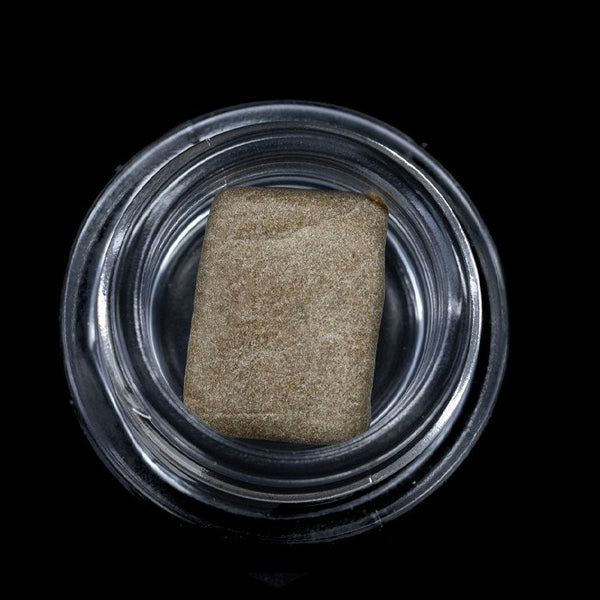
Step 4, Press by hand. The kief is pressed using heat and pressure, traditionally by hand, sometimes with the help of a pollen press, into the dense, compact block form that defines Moroccan-style hash. The pressing process causes the trichome heads to rupture slightly and bind together, darkening the exterior while the interior stays lighter in color. The result is a firm, slightly waxy block that holds its shape but crumbles cleanly when you break a piece off.
No solvents. No chemical extraction. No post-processing. This is cannabis concentrate in its most traditional form.
What Does Moroccan Hash Look, Smell, and Taste Like?
Moroccan hash has a distinctive profile that sets it apart from every modern extract on the market.
Appearance: Dense, firm blocks with a darker brown exterior (from the pressing and oxidation) and a lighter, more golden interior. When you break a fresh piece off, the inside often has a slightly greenish or yellow-gold tint. The surface may have a slightly waxy or matte sheen. It holds its shape at room temperature but softens slightly with warmth from your hands.
Aroma: Warm, earthy, and deeply herbal, with subtle notes of spice, wood, and dried flowers. The smell is more complex and muted than modern concentrates, which can be aggressively terpy. Moroccan hash smells like the plant in its most natural form, not like a concentrated terpene bomb. Many consumers describe it as "classic weed smell", familiar, comforting, and unmistakable.
Flavor: The smoke is smooth, earthy, and subtly spicy. Woody and herbal on the inhale. Far gentler on the throat than dabbing concentrates, and more complex than standard flower smoke. The experience is closer to a rich pipe tobacco smoke in character, full, warm, and slow-building, than to the sharp, immediate flavor punch of a live resin dab.
How Does Moroccan Hash Hit Compared to Modern Concentrates?
This is where Moroccan hash is most misunderstood, especially by consumers who've only experienced modern dabbing products. Hash is not weaker. It's different.
Modern concentrates like THCA live badder and THCA live rosin typically test between 70-90%+ THCA. They hit fast, hard, and with an immediate onset that peaks quickly. That's the appeal for dab enthusiasts, it's the most efficient delivery method available for getting a large dose of THCA into your system quickly.
Moroccan hash sits at a lower concentration, typically in the 30-60% range depending on the source flower and processing quality, and delivers a noticeably different experience. The onset is gradual. The effects build over several minutes rather than arriving all at once. The character tends to be more body-centered and relaxed, with a meditative, even quality that experienced consumers often describe as more nuanced and sustained than a dab.
For consumers who find dabbing too intense, or who simply want to unwind rather than get blasted, Moroccan hash occupies a perfect middle ground between THCA flower and high-potency modern extracts. It's approachable enough for flower smokers who are curious about concentrates, and interesting enough for dab veterans who want something completely different.
Old-School Hash vs. Modern Concentrates: What's Actually Better?
Neither. They serve different purposes, and the best consumers know when to reach for each one.
Here's a direct comparison:
Moroccan Hash: Traditional dry-sift process. No solvents. 30-60% THCA (approximate). Firm block form. Warm, earthy flavor. Gradual, body-centered effects. Versatile, bowl, joint, hash pipe. Approachable potency. Perfect for evenings, unwinding, and social sessions.
Live Badder / Live Rosin: Modern CO2 or solventless extraction. 70-90%+ THCA. Soft, creamy consistency. Intense, strain-specific terpene flavor. Fast, strong onset. Best consumed via dab rig or electronic dab device. High potency, better for experienced concentrate users.
Many serious consumers keep both in rotation. Hash for evening use and casual sessions; live resin or rosin for when they want maximum effect or a flavor-forward dab experience. You don't have to choose, they complement each other.
If you're newer to concentrates, Moroccan hash is actually the better starting point. The margin for error is wider, the effects are more manageable, and the versatility of consumption methods means you don't need specialized equipment to enjoy it. Check out our complete guide to THCA if you're still getting oriented with how concentrates differ from flower.
How Do You Smoke Hash? (All the Methods)
One of hash's biggest advantages over modern concentrates is how many ways you can consume it. You don't need a dab rig, a torch, or an electronic device. Here are the most common methods:
On top of flower in a bowl: The most common and easiest method. Break off a small piece, crumble it over ground THCA flower in a bowl, and smoke normally. The hash melts into the flower as you smoke, delivering a noticeable potency boost over plain flower. This is the best entry point for flower smokers who are new to hash.
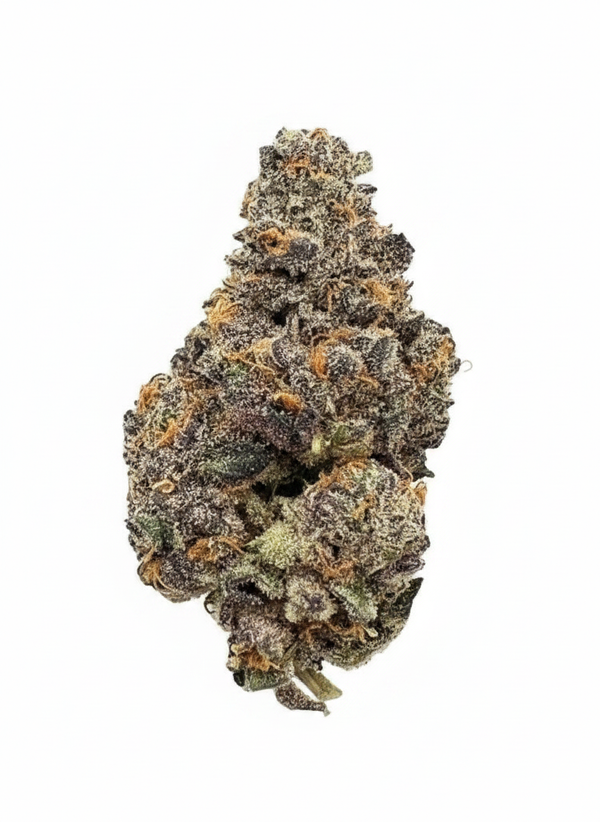
Rolled into a joint: Flatten a thin strip of hash and lay it lengthwise along a line of ground flower before rolling. The hash burns evenly with the flower, creating a slow, potent, flavorful joint. This is how hash-infused joints are traditionally made, and it's one of the best things you can do with a quality hash. Pairs perfectly with any strain from our THCA flower collection.
Hash pipe or chillum: Load a small piece directly into a hash pipe or chillum and smoke it alone. This is the purest way to experience the full flavor and character of the hash without flower diluting the profile. A classic method that never goes out of style.
Hot knives: Heat two knife blades on a stove burner, press a small piece of hash between them, and inhale the vapor through a straw or funnel. An old-school method that delivers a clean, vapor-forward hit. Not the most practical setup, but it works.
Low-temp vaporizer: If you have a vaporizer that handles concentrates (not just flower), hash responds well to low-temperature vaporization. Set temperatures between 350-400 F to get clean, terpene-forward vapor without combustion. This is the cleanest consumption method for hash and preserves the most flavor.
What hash doesn't need: a torch, a dab rig, a carb cap, or any specialized concentrate equipment. That accessibility is a genuine differentiator.
Is Moroccan Hash Legal?
Our THCA Moroccan Hash is derived from hemp and complies fully with the 2018 Farm Bill. It contains less than 0.3% Delta-9 THC by dry weight, which is the federal legal threshold for hemp-derived products.
Like all THCA products, hemp hash exists in a nuanced legal space. THCA in its raw form is non-psychoactive, it converts to Delta-9 THC through decarboxylation (heat), which is what happens when you smoke or vaporize it. This is the same mechanism that applies to THCA flower and all other THCA products. Federal compliance is based on the Delta-9 THC content in the raw product, not on the THCA content.
For current state-by-state legality information, see our THCA legality guide. State laws vary and can change, always verify your state's current status before ordering.
Every batch of our Moroccan Hash is independently lab tested and comes with a Certificate of Analysis (COA) confirming cannabinoid content and verifying the product is below the 0.3% Delta-9 THC threshold. View our lab results here.
Why Is Hash Making a Comeback in 2026?
Several things are happening simultaneously that are bringing old-school hash back into rotation for serious consumers.
First, concentrate fatigue. After years of escalating potency arms races, 80%, 85%, 90%+ THCA products marketed purely on strength, a growing segment of experienced consumers is gravitating back toward products that offer a more nuanced, experience-first approach. Hash fits that perfectly.
Second, solventless preference. The same consumer trend driving live rosin demand (clean, no chemical solvents, process-forward) also applies to dry-sift hash. Traditional Moroccan hash is one of the original solventless concentrates, and its production method aligns naturally with the clean-extraction preference that's grown significantly in recent years.
Third, versatility. In a market where most concentrates require specialized equipment, hash works in anything. No rig, no torch, no e-nail required. That friction-free versatility resonates with consumers across all experience levels.
And fourth, frankly, nostalgia and novelty. For older consumers, hash is a connection to the way things were. For younger consumers who discovered cannabis through modern dispensary products, hash is something genuinely new to them. Both groups are finding something worth coming back to.
How to Buy Moroccan Hash Online
The Haze Connect's THCA Moroccan Hash ships directly to your door from our online store. Every batch is made from premium, indoor-grown hemp flower and dry-sifted and pressed to our quality standards. Third-party lab tested, Farm Bill compliant, and available in 3.5g, 7g, and 14g.
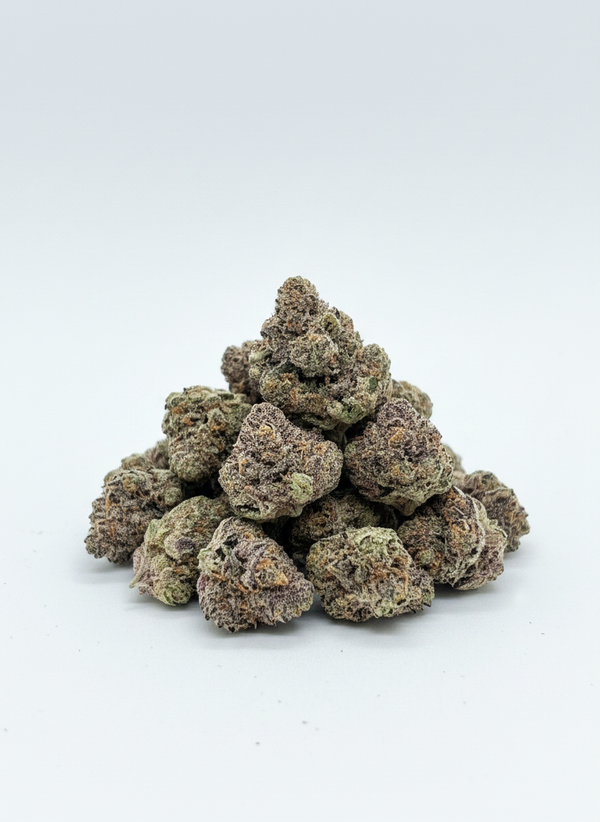
Free shipping on all orders over $99. Browse the full THCA concentrates collection to see everything we carry, from Moroccan hash to live badder to connoisseur-grade live rosin. Or if you want to pair your hash with premium flower for rolling, start with our THCA flower collection.
Ready to experience the original concentrate? Shop THCA Moroccan Hash
Frequently Asked Questions
What is Moroccan hash made from?
Moroccan hash is made from the trichome heads of cannabis or hemp flower, separated using a dry-sift process through fine mesh screens and then pressed by hand into dense blocks. No solvents are used. Our THCA Moroccan Hash is made from premium indoor-grown hemp flower.
Is hash stronger than weed?
Hash is more concentrated than flower, it's made from separated trichome heads, which contain the cannabinoids, rather than the whole plant. Traditional Moroccan hash typically tests in the 30-60% THCA range, compared to 20-35% for premium THCA flower. Modern concentrates like live resin or live rosin are even more concentrated at 70-90%+. Hash sits in the middle, significantly stronger than flower, but more approachable than modern extracts.
How do I use Moroccan hash?
The most common methods are: crumbling it into a bowl on top of flower, rolling it into a joint with ground flower, or using a dedicated hash pipe or chillum. It also works in a low-temperature vaporizer designed for concentrates. No dab rig or torch required.
What does hash smell like?
Moroccan hash has a warm, earthy aroma with woody and herbal notes and a subtle spice character. It's a more mellow, rounded scent than modern concentrates, closer to dried cannabis flower than to a terpene-forward live resin extract.
Is THCA hash legal?
Our THCA Moroccan Hash is derived from hemp and is below 0.3% Delta-9 THC by dry weight, making it compliant with the 2018 Farm Bill for purposes of interstate commerce. State laws vary, check our state-by-state THCA legality guide for your location.
What's the difference between hash and kief?
Kief is the loose, powdery trichome material collected when dry-sifting flower, it's the intermediate product before pressing. Hash is what you get when that kief is compressed under heat and pressure into a solid block. Hash is denser, more stable, easier to handle, and burns more slowly and evenly than loose kief.
Can I smoke hash by itself?
Yes. In a hash pipe, chillum, or via low-temp vaporization. Hash can be enjoyed on its own without mixing with flower. That said, mixing with flower in a bowl or joint is the most common method for most consumers because it's simpler and requires no specialized equipment.
Disclaimer: This content is for informational purposes only and is intended for adults 21 and older. THCA products are derived from hemp and comply with the 2018 Farm Bill. State and local laws vary, please verify the legal status in your jurisdiction before purchasing. These statements have not been evaluated by the FDA. This product is not intended to diagnose, treat, cure, or prevent any disease.